If you’ve ever cooked a chicken and noticed it releasing a white, jelly‑like substance, don’t worry. The goo may look unappetizing, but it’s actually a natural reaction caused by protein escaping the meat as it cooks.
You pull your perfectly seasoned chicken breast out of the oven, and there it is—a strange, oozing white goo. You wanted a juicy, golden‑brown masterpiece, but now it looks like your chicken is melting.
But don’t worry, this poultry predicament happens to chicken lovers everywhere, from casual home cooks to professional chefs, according to personal chef Drew Curlett.
“It might not be pretty, but it’s pretty normal to see white stuff come out of chicken, especially when baked or roasted,” the culinary instructor tells Reader’s Digest.
What is the goop? Despite its odd appearance, the white substance oozing from chicken isn’t anything to panic about. It’s simply a mix of protein and water that coagulates when the chicken is cooked at high temperatures.
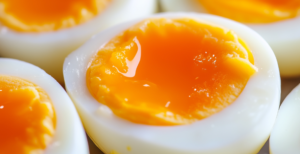
Chicken—especially the breast—is rich in protein, and when heated, those proteins transform or “denature,” much like an egg white turning solid when cooked. This process forces water out of the meat, and as the proteins clump together, they form that white, slightly sticky, semi‑solid goo you see on the surface. This phenomenon is most common when you
- Cook boneless, skinless chicken breasts (they contain less fat and more protein). “It’s really common when cooking at high heat without much liquid or fat, like when you’re baking plain, boneless, skinless chicken breasts,” Curlett said.
- Use high‑heat methods like roasting, baking, or pan‑searing. Cooking chicken too quickly at high temperatures causes proteins to contract rapidly, pushing out more liquid and forming that gooey layer.
- Cook chicken that’s still partially frozen. Excess moisture from ice crystals damages muscle fibers, and once thawed, those broken fibers release more water and protein during cooking, increasing the likelihood of seeing the white substance.
The best way to minimize this effect is to use medium heat and allow the chicken to rest after cooking. Resting helps redistribute the juices back into the meat instead of letting them leak out immediately.
Is the white goo safe to eat? Even if it looks unappealing, the white substance is perfectly safe. It’s just cooked protein and water—completely edible and harmless, and it doesn’t affect the flavor of your chicken.
However, if your raw chicken has an odd smell, slimy texture, or discoloration, that’s a sign of spoilage. The white substance itself is harmless, but if the chicken shows other signs of going bad, it’s best to throw it out.
Reduce the goop If you’d prefer your chicken not to ooze the white stuff, there are ways to reduce it:
- Cook at lower temperatures: High heat speeds up protein coagulation, making the goo more noticeable. Try baking at 350°F (175°C) instead of 400°F (205°C) for a slower, gentler cook.
- Brine your chicken: Soaking chicken in a simple saltwater solution for 30 minutes to an hour helps it retain moisture and reduces protein loss during cooking.
- Sear before baking: Searing the chicken in a hot pan before transferring it to the oven helps lock in juices and can minimize protein leakage.
- Let the chicken rest: Cooking cold or partially frozen chicken increases the amount of white stuff that appears. Let it sit at room temperature for 15–20 minutes before cooking.
- Use higher‑quality chicken: Factory‑farmed chicken often contains more water due to processing, making the white goo more pronounced. Organic or air‑chilled chicken typically contains less excess moisture.
Just remember: you can reduce it, but unless you’re cooking low and slow, some protein leakage is natural.
The white stuff coming out of your chicken is simply protein and water reacting to heat, and it’s completely natural and safe to eat. While it may not look pretty, it doesn’t affect the taste or safety of your meal.