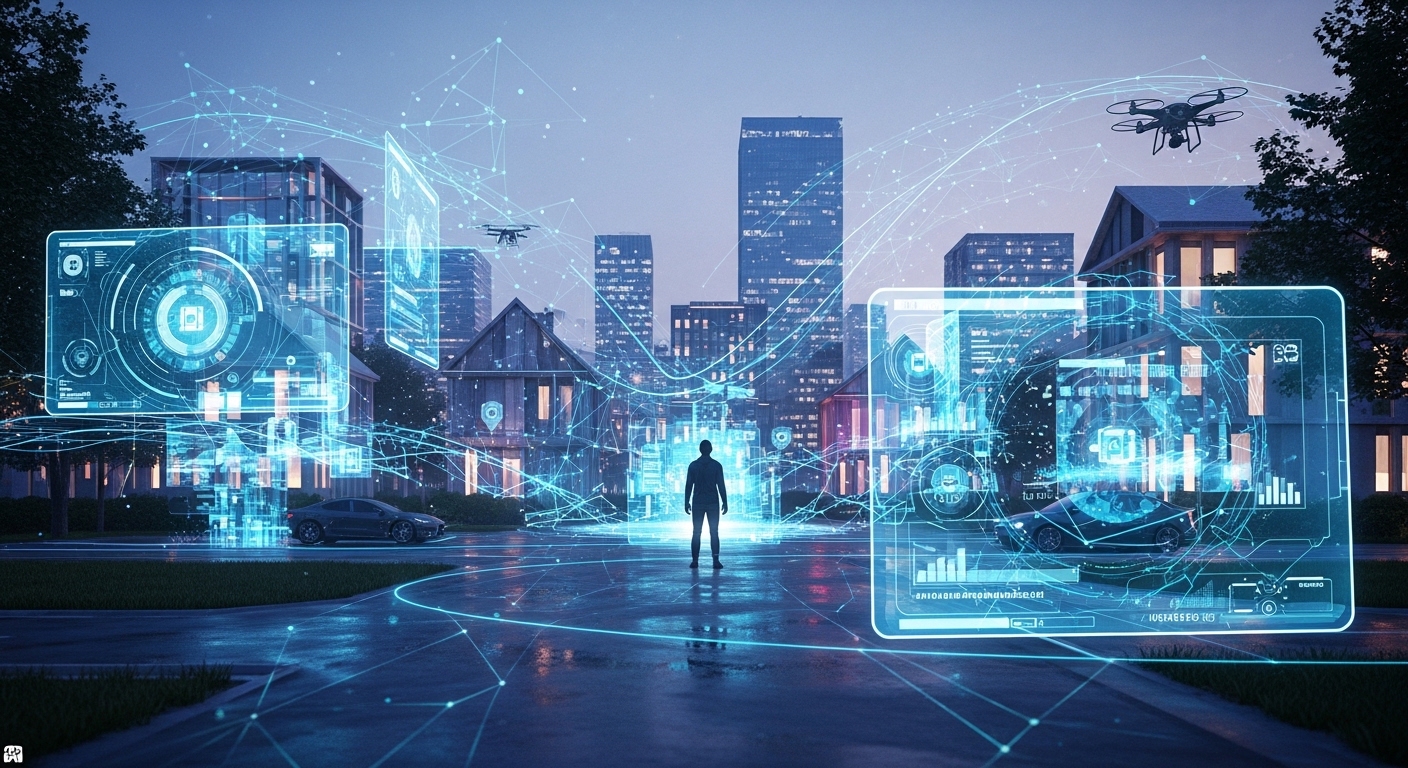
Technology is often associated with big, visible breakthroughs—self-driving cars, artificial intelligence, or space exploration. But the most profound transformation happening today is far less obvious. It’s an invisible revolution, quietly reshaping how we think, work, communicate, and even understand ourselves.
The Rise of Ambient Technology
In the past, technology demanded our attention. We sat at desks to use computers and pulled phones out of our pockets to connect. Today, technology is becoming ambient—blending seamlessly into our surroundings. Smart assistants respond to our voices, algorithms predict our needs, and devices communicate with each other without human intervention.
This shift changes our relationship with technology. Instead of actively using it, we increasingly live alongside it. The result is convenience—but also a subtle dependency that raises important questions about control and awareness.
Artificial Intelligence: From Tool to Partner
Artificial intelligence is no longer just a tool that executes commands; it is becoming a collaborator. From writing emails to generating creative content, AI is now capable of tasks once thought uniquely human.
This evolution is transforming industries. In healthcare, AI assists doctors in diagnosing diseases earlier. In business, it analyzes massive datasets to guide decisions. In education, it personalizes learning for students.
However, this partnership also introduces challenges. As we rely more on AI, we must consider issues like bias, transparency, and accountability. Who is responsible when an algorithm makes a mistake? And how do we ensure these systems reflect human values?
The Changing Nature of Work
Technology is redefining what it means to work. Automation is replacing repetitive tasks, while digital tools enable remote collaboration across the globe. The traditional 9-to-5 office model is giving way to flexible, hybrid environments.
While some fear job loss, history suggests a more complex reality. Technology often eliminates certain roles but creates new ones. The key challenge is adaptation. Skills like critical thinking, creativity, and emotional intelligence are becoming more valuable than ever.
Lifelong learning is no longer optional—it’s essential.
Digital Identity in a Connected World
As technology becomes more integrated into our lives, our digital identities grow in importance. Social media profiles, online transactions, and digital footprints collectively shape how we are perceived.
This raises critical concerns about privacy and security. Data is now one of the most valuable resources in the world, and individuals must navigate how much of themselves they are willing to share.
Governments and organizations are also grappling with regulation—trying to balance innovation with the protection of individual rights.
The Ethical Crossroads
Perhaps the most important conversation around technology today is ethical. Just because we can build something doesn’t always mean we should.
From facial recognition to deepfakes, emerging technologies challenge our understanding of truth, consent, and fairness. The decisions we make now will shape the future for generations.
Ethics in technology is no longer a niche topic—it is a global responsibility.
Looking Ahead
The future of technology is not just about faster processors or smarter algorithms. It’s about how we choose to integrate these tools into our lives.
Will technology empower us, or will we become overly dependent on it? Will it deepen inequalities, or help bridge them? The answers depend not only on innovation but on intention.
The invisible revolution is already underway. The question is: are we paying attention?