
Long before he became a symbol of resilience on screen, Keanu Reeves’ early life was marked by instability, frequent moves, and personal challenges that shaped his perspective on family, work, and relationships.
Born in Beirut, Lebanon, in 1964, Keanu entered a world of uncertainty. His father struggled with addiction and left the family when Keanu was very young, creating a void that influenced his emotional development for years.
His mother, Patricia, relocated often in an effort to provide stability, moving between cities such as Sydney, New York, and Toronto. Each new home forced Keanu to start over socially, academically, and emotionally, deepening his sense of displacement.
School was difficult for him. Diagnosed with dyslexia, Keanu found traditional learning frustrating and often isolating. He struggled to read, complete assignments, and keep up with peers, leaving him feeling misunderstood and alone. Despite these challenges, he showed strong curiosity and determination. He explored arts, sports, and performance, realizing early that structured education was not the only path to growth.
At seventeen, he made the difficult decision to leave school, stepping away from a system that never fully supported his learning style. This marked the beginning of his self-directed journey into adulthood and independence.
Keanu’s early career was uncertain. He took on odd jobs to survive—sharpening skates, moving furniture, working in grocery stores—while attending auditions for theater, television, and commercials, with no guarantee of success.
Audition after audition often ended in rejection, but he persisted. This period of struggle built resilience, patience, and humility—qualities that would later define both his personal life and professional reputation in Hollywood.
His first meaningful break came with small roles in television series such as Hangin’ In and Danger Bay, giving him exposure and hands-on experience. These roles were minor, but they provided the momentum he needed to pursue bigger opportunities.
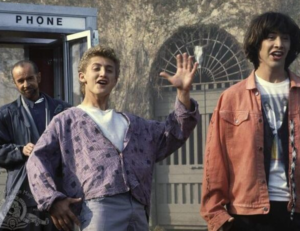
In the mid-1980s, he appeared in films like River’s Edge and Youngblood, roles that highlighted his emotional range and growing talent. Critics began to notice his quiet intensity and authenticity on screen. Keanu’s breakthrough came with Bill & Ted’s Excellent Adventure in 1989. The film’s success brought wider recognition, introducing his charm, comedic timing, and relatability to global audiences while laying the foundation for future roles.

The 1990s elevated him further. Films like Speed made him a household name, proving he could lead an action blockbuster with charisma and credibility, earning fans worldwide and strengthening his place in Hollywood.
Yet it was The Matrix in 1999 that cemented his global iconic status. As Neo, Keanu embodied philosophical depth, physical skill, and an enigmatic presence, creating a character recognized across generations and cultures.
Despite this professional success, tragedy struck repeatedly. In 1993, his close friend River Phoenix died unexpectedly outside a nightclub. The loss was deeply personal, leaving Keanu to navigate grief under public scrutiny.
In 1999, Keanu and his partner Jennifer Syme experienced a devastating loss when their daughter was stillborn. The grief was profound, testing their relationship and emotional strength in ways words could barely express.
The strain eventually led to their separation. The couple could not recover from their shared grief, each retreating to process the loss individually while remaining deeply affected by the absence of the child they had expected. In 2001, tragedy struck again when Jennifer Syme died in a car accident, compounding years of loss and leaving Keanu to cope with the deaths of his child, partner, and close friend.
Many might have responded with withdrawal or bitterness. Keanu, however, chose a different path. He became quietly generous, compassionate, and deeply grounded in everyday interactions and charitable efforts.
Stories of his kindness spread widely. He gave up seats on public transportation, spoke sincerely with strangers, and offered financial support to crew members and cancer research anonymously—displaying a humility rarely seen in Hollywood.
His generosity was not for recognition. It was part of who he is, reflecting a life philosophy shaped by loss, empathy, and an understanding of human fragility and connection.
Public appearances remained minimal. He often walked city streets without security, ate in small restaurants, and lived without the usual trappings of celebrity. These choices reflected authenticity rather than image.
His quiet approach to fame became part of his identity. Audiences admired not only his on-screen performances but also the consistency of his behavior off-screen, seeing integrity that matched his reputation.
A career resurgence came with John Wick in 2014. The series introduced him to a new generation while highlighting his dedication to his craft, blending physical performance with emotional depth and maintaining his signature humility. Keanu’s professional journey reflects persistence. He overcame early instability, rejection, and personal tragedy to achieve success without losing his humanity or compassion.

Beyond acting, his life offers a lesson in endurance. He endured loss without being defined by it, achieved fame without letting it shape his values, and maintained relationships rooted in respect and care.
His personal philosophy is evident in both large and small choices—from anonymous philanthropy to everyday kindness—showing a commitment to making a positive impact without seeking attention.
Keanu’s childhood challenges, including his father’s absence and constant relocations, fostered a deep empathy for others, influencing both his public interactions and private decisions.
While his professional achievements are impressive, they are secondary to his approach to life. He values human connection, meaningful work, and quiet fulfillment over status, recognition, or public praise.
Loss shaped him, but it did not define him. Fame came, but it did not consume him. In every choice—on set or in daily life—he remained grounded and approachable.
Today, audiences appreciate not only his cinematic work but also his consistency, generosity, and humility—qualities that set him apart in a culture often driven by excess and spectacle. Keanu’s story shows that resilience, patience, and quiet integrity can be just as powerful as fame or wealth.
His life demonstrates that kindness, endurance, and human connection often matter more than the superficial measures of celebrity, leaving a legacy that extends beyond the screen.
Even after decades in Hollywood, Keanu remains private yet present, proving that one can be a public figure without sacrificing personal values or humanity.
The arc of his life—from Beirut to Toronto, from hardship to global fame—offers a model for living with grace, humility, and intention despite uncertainty and adversity.
His approach challenges traditional ideas of celebrity. Keanu does not chase attention; instead, he chooses authenticity, generosity, and integrity as guiding principles.
From childhood instability to early career struggles, through immense success and deep personal loss, his life reflects a steady commitment to resilience, empathy, and purposeful living.
The blend of professional skill, personal generosity, and emotional depth explains why he remains admired across generations, rising above trends and the fleeting nature of fame.
Keanu Reeves’ story is, at its core, about endurance—about continuing forward, shaping a life guided by values rather than circumstances, and choosing kindness even when it goes unnoticed.
He has remained steady, humble, and connected, showing that a person’s life is measured not only by achievements but by how they handle loss, challenge, and responsibility with dignity.
What sets him apart is not just the roles he played, but how he lived between them—persisting, giving, and engaging with the world with sincerity while maintaining the quiet strength that defines his legacy.
In an era driven by visibility and spectacle, Keanu stands out by embodying values rarely highlighted: compassion, perseverance, and humility, offering a way of living that resonates deeply with audiences around the world.
His influence goes beyond film. By living with intention, kindness, and a grounded sense of self, he has reshaped what it means to be successful, admired, and human in a culture that often confuses the three.
Even now, as new generations discover his work, his story inspires not just admiration for his talent but deep respect for how he lives—with consistency, grace, and quiet determination.
Through tragedy, fame, and achievement, Keanu Reeves remains a rare example of resilience, showing that character, integrity, and empathy endure far beyond the fleeting allure of celebrity.