Ever noticed those bright blue veins popping out on the back of your hands and wondered, “Is this normal or a sign of something serious?” You’re not alone — and the answer might surprise you.
Did you know those bulging veins might be more than just a cosmetic issue — and could actually signal a higher risk of dangerous blood clots?
Closer than you think Those blue veins on your hands aren’t random. They’re a network of superficial veins lying just beneath your skin.
When certain things happen — like changes in your skin or body — these veins can suddenly look more visible, sometimes dramatically so.
For many people, especially those with pale or thin skin, these veins appear clearer because lighter skin tones and less fat under the skin make them harder to hide. Older adults often have more visible veins simply because their skin thins with age.
Why some people’s veins look extra blue If you’re very thin or a serious athlete, your veins may stand out even more. When you work out or lift heavy weights, your muscles swell and push the veins closer to the surface — that’s why weightlifters have those “pop‑out” veins. Pregnant women also tend to see more prominent veins because their circulatory system is working overtime.
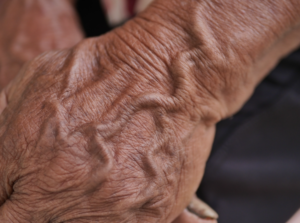
But there’s another side. Sometimes blue or bulging veins can be a sign of varicose veins — veins that have become stretched, twisted, and weak.
On your hands, they may look like thick, rope‑like, zigzag lines that are larger than normal. While often painless, varicose veins can cause discomfort and sometimes signal more serious health concerns.
When blue veins could be a warning sign If your veins become bulging or painful, or if you notice redness, swelling, or warmth, don’t ignore it.
These can be signs of blood clots or other vascular issues that need prompt medical attention. Conditions like deep vein thrombosis (DVT) or pulmonary embolism can be dangerous.
How to keep your veins healthy You can’t always prevent visible veins, but you can support healthier circulation:
- Stay active — movement boosts blood flow.
- Maintain a healthy weight — it reduces pressure on your veins.
- Avoid long periods of sitting or standing — take breaks and stretch.
- Quit smoking — it harms your veins and circulation.
- Wear loose clothing — tight clothes can restrict blood flow.
If varicose veins become a problem, options range from compression stockings and lifestyle changes to medical procedures like sclerotherapy or surgery. The best step is to speak with a medical professional if you notice sudden changes or pain.
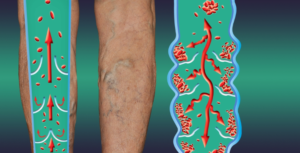
The takeaway: don’t panic, but don’t ignore Visible blue veins can simply be a natural part of your body — especially if you’re pale, thin, or very active. The Cleveland Clinic notes that many people worry about bulging veins, and in most cases, there’s no need for alarm. In fact, about one in three adults deals with varicose veins, one of the main reasons veins become more noticeable.
But if they bulge, throb, or look inflamed, it’s important to get checked. Your veins may be signaling something about your circulation and overall vascular health.