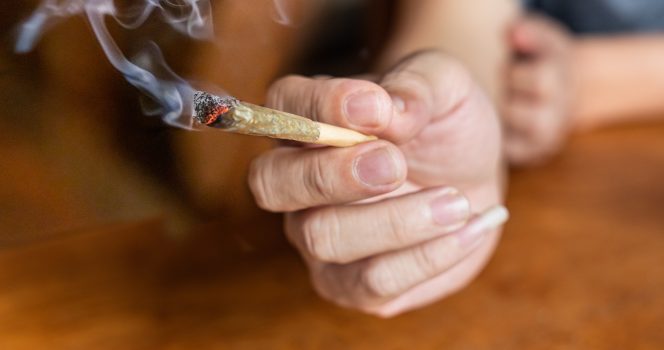
People turning to marijuana as a nightly sleep aid are now facing renewed warnings from health experts, as new data suggests the long-term effects may be more concerning than many expect.
Recent findings from the Centers for Disease Control (CDC) show that nearly 13% of Americans used some form of sleep aid most days or every day over a one-month period in 2024. Among them, 3.7% said they rely on marijuana or CBD products at night, while 5.2% use prescription medications and 5.7% turn to over-the-counter options or supplements.
That trend aligns with broader habits around cannabis use.
A 2025 Sleep Foundation study found that 77% of men and 64% of women between ages 21 and 64 have used cannabis at some point to help them sleep, showing how deeply the drug has become part of modern sleep routines.
The appeal is easy to understand, especially for those dealing with stress or insomnia. Cannabis can help people fall asleep faster in the short term, but the bigger question is whether that sleep is truly restorative—and that is where concerns begin to grow.
Strains
The effects of cannabis on sleep are not one-size-fits-all, and even advocates acknowledge that results can vary depending on the strain.
According to the Sleep Foundation, “Indica strains may feel more calming and promote sleepiness, while sativa strains are often stimulating, though outcomes depend heavily on individual physiology.” The organization adds, “Hybrid strains with a mix of indica and sativa may produce different effects based on the specific makeup of cannabinoids and other ingredients.”
Sleep latency
Even with those differences, the science around long-term use paints a more complicated picture. The American Academy of Sleep Medicine (AASM) has pointed to research showing that people who regularly use cannabis for medical reasons tend to wake more often during the night, suggesting that while falling asleep may become easier, staying asleep can become more difficult.
One smaller study published in 2019 in BMJ Open Respiratory Research tracked sleep patterns in frequent cannabis users and non-users and found that users experienced a “significantly longer sleep latency,” meaning it took them more time to fall asleep once in bed. That delay can undermine the very reason many people turn to cannabis in the first place.
Researchers also found that cannabis users reported less REM sleep, a crucial phase that Harvard Health says “helps with learning, mood regulation and might even protect against dementia.”
Health risks extend beyond sleep disruption
Sleep is only part of the picture. Long-term cannabis use has been linked to a range of physical and mental health concerns that add to the growing concern among medical professionals.
In fact, the CDC reports that cannabis can increase heart rate and raise blood pressure, changes that may raise the risk of stroke, heart disease, and other vascular conditions. The agency also notes that it “directly affects brain function – specifically the parts of the brain responsible for memory, learning, attention, decision making, coordination, emotions, and reaction time.”
Smoking the drug is another major concern—it can also damage lung tissue and harm small blood vessels, adding respiratory risks to the list.
Mental health
There are also possible neurological effects. Gray matter, described by the Cleveland Clinic as “a vital part of your brain and spinal cord that supports thinking, movement and memory,” may be affected by long-term cannabis use.
Because this part of the brain also helps regulate emotions, concerns about mental health further complicate the issue. Cannabis has been linked to conditions such as anxiety, depression, and schizophrenia, though the CDC notes that “scientists don’t yet fully understand the relationships between these mental health disorders and cannabis use,” leaving important questions unanswered.
Would you consider using cannabis as a sleep aid, or have you already tried it? Before you share this story with your friends, please let us know about your experiences!