Artificial intelligence assistants are rapidly evolving, moving beyond simple voice commands to deeply personalized digital companions. Major tech companies are now integrating memory, context awareness, and predictive capabilities into their AI systems, allowing them to anticipate user needs more accurately than ever before.
Experts say this shift could redefine how people interact with devices. Instead of issuing commands, users may rely on AI to proactively suggest actions—such as scheduling meetings, summarizing messages, or even making purchasing decisions.
However, concerns about privacy remain at the forefront. As these systems collect more personal data to improve performance, regulators are pushing for stricter transparency and user control.
2. Breakthrough in Battery Technology Promises Longer Device Life
Researchers have announced a major breakthrough in battery technology that could significantly extend the lifespan of smartphones, laptops, and electric vehicles. The new design focuses on solid-state materials, which are safer and more energy-dense than traditional lithium-ion batteries.
Early tests show devices could last up to 50% longer on a single charge. In addition, the new batteries are less prone to overheating, reducing the risk of fires.
Industry analysts believe this advancement could accelerate the adoption of electric vehicles and reduce global dependence on fossil fuels. Commercial rollout is expected within the next few years.
3. Cybersecurity Threats Rise with Remote Work Expansion
As remote and hybrid work models continue to grow, cybersecurity experts are warning of a sharp increase in digital threats. Companies are facing more phishing attacks, ransomware incidents, and data breaches than ever before.
Hackers are increasingly targeting employees working from home, where security systems may be weaker than in traditional office environments. In response, organizations are investing heavily in zero-trust security models and employee training programs.
Governments worldwide are also stepping in, introducing stricter regulations to ensure companies protect user data. Despite these efforts, experts warn that cybersecurity will remain a major challenge in the digital age.
4. Quantum Computing Moves Closer to Reality
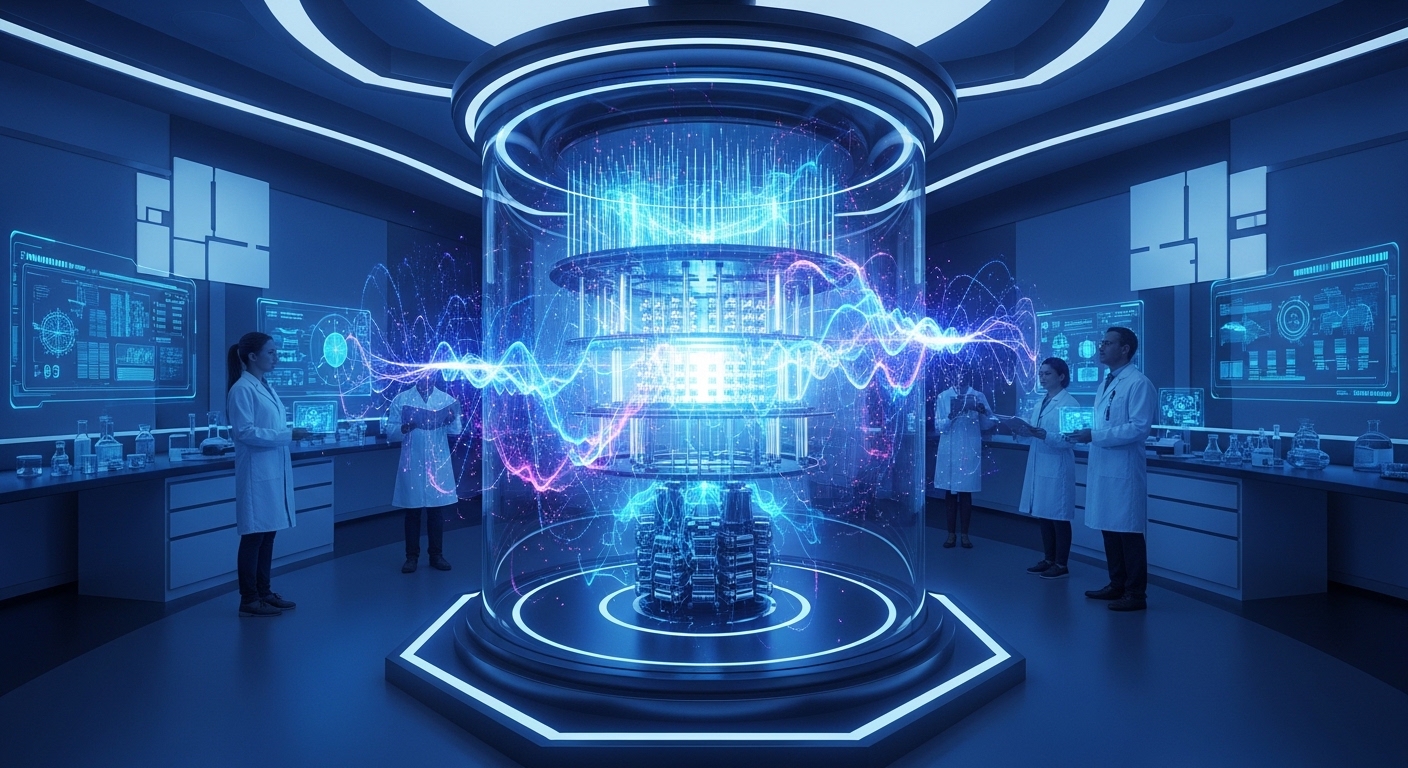
Quantum computing is making steady progress, with new prototypes demonstrating improved stability and processing power. Unlike classical computers, quantum machines can solve complex problems much faster by leveraging quantum bits, or qubits.
Tech firms and research institutions are racing to achieve “quantum advantage,” where quantum computers outperform traditional systems in real-world applications. Potential uses include drug discovery, climate modeling, and financial forecasting.
While still in its early stages, experts believe quantum computing could transform entire industries within the next decade.
If you want, I can tailor these articles for a specific audience (e.g., school, blog, newspaper style) or expand one into a full-length feature.