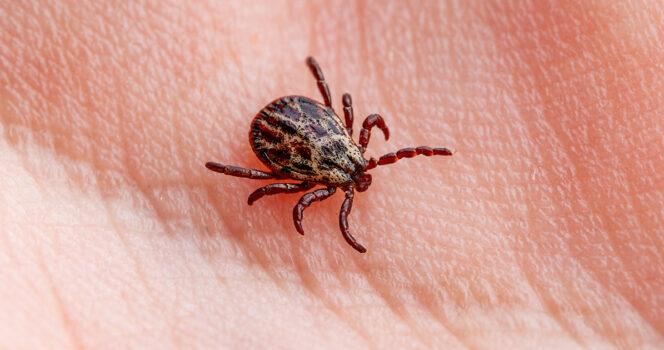
If you live outside the city, close to forests, fields, and nature in general, chances are (depending on what country you call home) you’re already familiar with ticks.
Yes, those pesky little arachnids love nothing more than feeding on the blood of mammals, birds, and just about anything else they can sink their tiny mouths into. And while that might not sound too dangerous at first (after all, no human is going to die from blood loss caused by a tick bite), ticks do pose some very real risks.
You’ve probably heard that ticks can carry diseases that are transmitted to humans through their bites. These include—but are not limited to—Lyme disease, Rocky Mountain spotted fever, and babesiosis.
You may not be familiar with these illnesses, but trust me when I say you’re better off without them. If left untreated, they can have serious, life-changing consequences, and the best way to deal with them is by taking precautions to avoid getting them in the first place.
A fairly obvious way to lower your risk is by doing all the right things when it comes to ticks. You can’t protect yourself 100 percent, but you can take steps to reduce the chances of being bitten, which also lowers the risk of contracting one of the diseases mentioned above.
So, what should you do if you find a tick attached to you?
The first step is to remove it carefully and quickly. Do not simply try to pull it off with your fingers, as this may cause the tick’s body to separate from its head, leaving the head embedded in your skin. Instead, use fine-tipped forceps or tweezers, grasp the tick as close to your skin as possible, and gently pull it out in one smooth, continuous motion.
Be careful not to squeeze or twist the tick, as this may cause it to release its contents into the wound. That brings us to the next step: disposing of the tick properly. It might seem as simple as throwing it in the trash, but there are actually important steps you should take to make sure that tick never feeds on blood—human or otherwise—again.
For best results, place the tick in a sealed bag or container to prevent future contact with humans and animals. Alternatively, you can wrap it in tissue paper and flush it down the toilet. Keep in mind that some veterinarians may recommend bringing the tick in for identification and further assessment if you found it on your pet. So it may be a good idea to keep it in a sealed bag or container after all.
Ticks and pets
If you own pets, you likely already perform regular tick checks, but it never hurts to be reminded how important they are. Ticks are often more active during warmer months, though they can survive freezing temperatures, so make sure you’re checking regularly throughout the year.
Examine your pet in areas such as the ears, armpits, skin folds, between the toes, and the groin by carefully combing through the fur and feeling for any small, firm bumps on the skin.
Remember, keeping your pet tick-free helps keep you and your home tick-free as well. So it’s definitely worth the effort!
If you’ve been bitten
There are several things to watch for if you think you’ve been bitten by a tick. Early signs of Lyme disease can include flu-like symptoms, joint pain, and muscle aches.
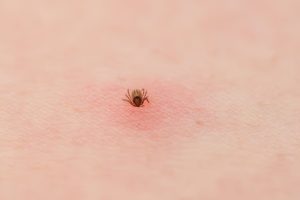
In some cases, a red, bullseye-shaped rash may appear around the bite site, which can indicate infection. Other tick-borne diseases may cause fever, chills, and fatigue, so be especially mindful if you notice any of these symptoms after a tick bite. Needless to say, you should always seek medical attention if you believe you’re experiencing symptoms related to a tick bite. Early detection and treatment of tick-borne diseases can help prevent more serious complications later on.